

Our priority is to maintain service delivery where fuel is needed. However, we’ve also been building community resilience by reducing our reliance on petrol wherever possible.
In March, I wrote to the State and Federal Governments requesting that in the event of any future fuel rationing, Councils’ cleansing and waste delivery is classified as an essential or priority service and our fuel supply maintained. Continuity of domestic waste collection and public domain cleansing are essential for public health and cannot be interrupted during fuel supply disruptions.
At this stage there has been no impact on the City’s service delivery.
Because of careful planning over many years, the City of Sydney is in a strong position. We have not waited for a crisis to start thinking about resilience. We have steadily reduced our reliance on fossil fuels, both in how people move around the city and in how our organisation deliver services.
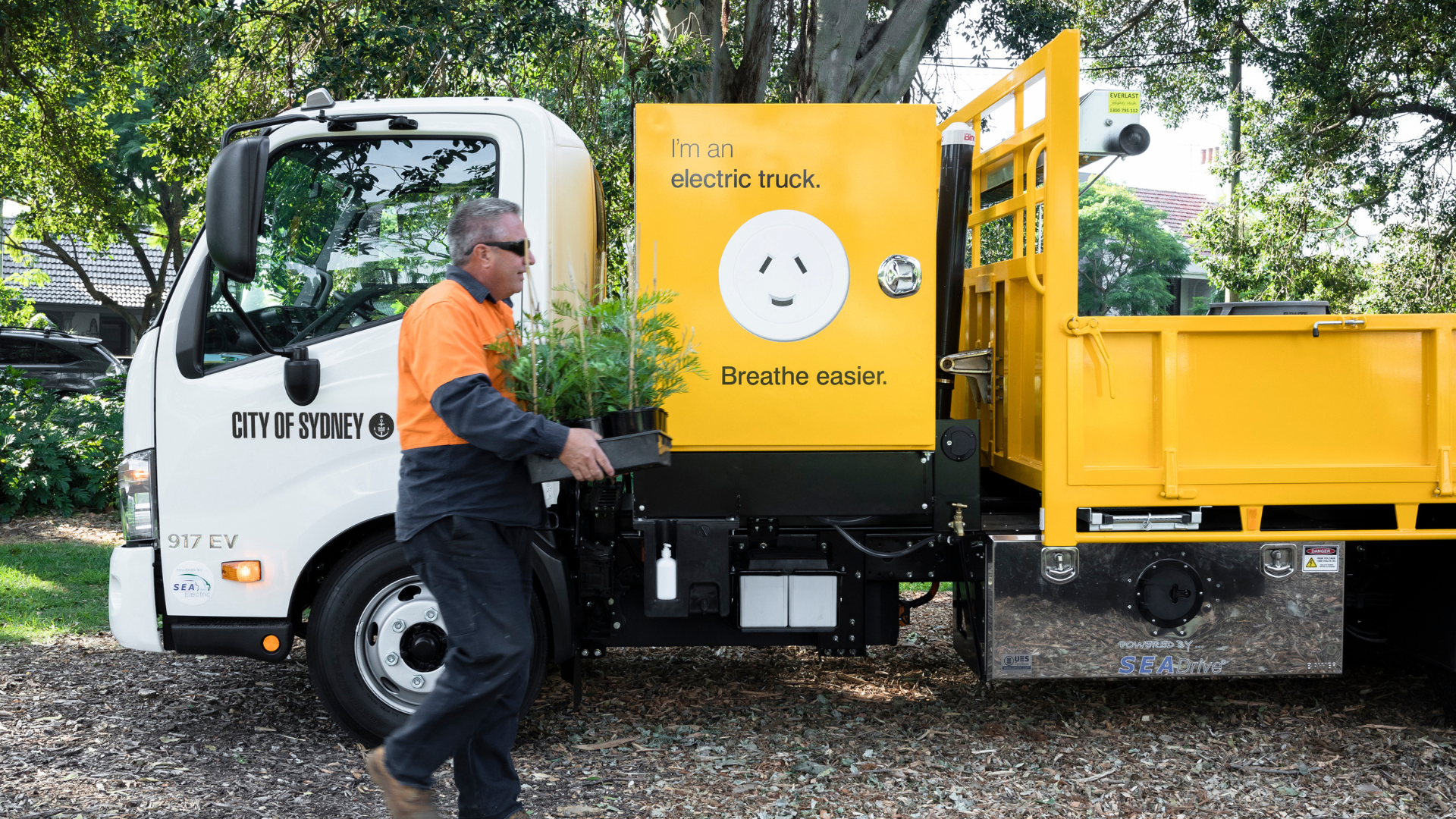
We have been progressively transitioning the City’s fleet to electric and hybrid vehicles since 2010. Now more than half of the City’s fleet is electric or hybrid. Of our 87 all-electric vehicles we have 57 cars, 10 electric bikes, 2 street sweepers, 8 small waste collection buggies used in the CBD, 4 electric vans and 6 electric tipper trucks. This transition reduces our exposure to fuel price spikes while lowering operating costs.
We have also made long-term investments in walking and cycling. With more than 156 kilometres of cycling routes and major pedestrianisation projects like George Street, people have real alternatives to driving. These investments are not just about health or emissions. They are about resilience and affordability when fuel prices rise.
In my Mayoral Minute, I recommend a package of measures to respond to the current and future fuel supply shocks. These include asking staff to provide advice on the electrification of the remaining fleet and options on the feasibility of fleet electrification for domestic waste collection.
Measures also include the NSW Government supporting more people to use public transport with affordable fare reform, prioritising the delivery of EV charging at services stations and publicly accessible car parks, and for both NSW and Australian Governments to accelerate investment in active transport, one of the most cost-effective ways to reduce fuel dependence.
Read my Mayoral Minute for more detail on these measures that build on the City’s established work, while setting out a clear request for increased action by the NSW and Federal Government. I think a resilient transport network and Council service delivery is something everyone can get behind.

